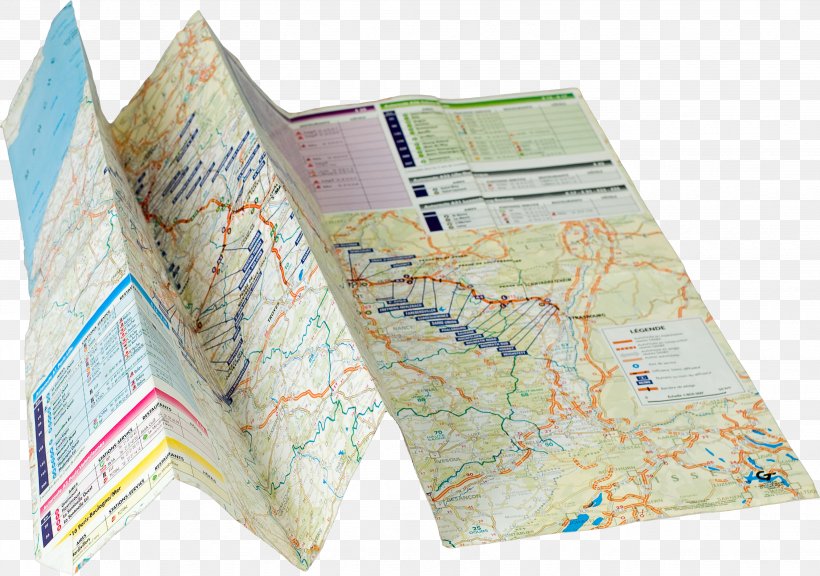
On a recent clear-out, I came across an old road atlas. Younger people may not know what this ancient artefact was. Imagine Google Maps, but printed on paper the size of a bed sheet and designed to trigger marital tension within thirty minutes.
Before navigation apps, the road atlas was the essential document for getting to anywhere unfamiliar. It lived permanently in the glove box beside stale mints, a broken torch and the car service record. Once removed from its sacred compartment, it immediately unfolded itself into something roughly the size of a picnic mat.
Of course, the driver couldn’t read it because he was driving. Driving, especially “long-distance driving”, was regarded as a man’s job in those days. Men approached a three-hour drive the way polar explorers approached Antarctica. There would be discussions about fuel stops, tyre pressure and whether the car could “make it”. Usually, the destination was only Galway.
The map-reading duties fell to the front-seat passenger, generally the wife. Society had also decided, unfairly, that women were incapable of navigation despite somehow managing every other aspect of family life. This led to emotionally charged scenes across Ireland.
“I think you turn here,” she would announce.
“Turn where?”
“Over there.”
“Over WHERE?”
Now, “over there” could mean left, right, straight ahead or possibly somewhere back near Sligo. By the time the instruction was interpreted, the turning had been missed entirely.
That was the starting pistol for the blame Olympics.
“Well, why didn’t you say left?”
“You were driving too fast!”
“Oh, so now it’s my fault?”
The children in the back sat frozen in silence like hostages. Every family car journey had the atmosphere of a low-budget disaster movie. A child would quietly wonder if they were about to end up in foster care or abandoned at a service station near Charlestown.
The three-hour journey now stretched towards four and a half hours. There were detours, emergency U-turns and increasingly desperate references to roads that no longer appeared to exist.
Meanwhile, the atlas itself had become impossible to fold properly again. Once opened, no road atlas in history ever returned to its original shape. It became a crumpled paper accordion balanced on someone’s knees while pages flapped around the car like a trapped seagull.
At some point, the atlas would end up upside down.
“I think we’re here.”
“That’s Navan.”
More than once, a nervous child would whisper from the back seat:
“Dad… I think we passed this church half an hour ago.”
The father, refusing to admit defeat, would insist this was “a completely different church”. In rural Ireland, this was partly convincing, as every village had the same church, the same pub and a man cycling slowly while staring suspiciously at strangers.
Eventually, the destination was reached. Nobody celebrated. A terrible silence descended on the car. The wife stared out of the window in dignified fury while he carried luggage into the hotel, ready to make some poor receptionist’s life even less bearable.
Then technology arrived.
The first Sat Navs appeared perched precariously on dashboards like tiny televisions from the future. They spoke calmly in a male voice. Apparently, even technology believed directions were still a man’s job.
These early systems had their own flaws. Halfway through a journey, the sat nav would suddenly detach itself from the windscreen and disappear beneath the driver’s seat.
“Turn left.”
“I CAN’T. YOU’RE UNDER THE BRAKE PEDAL.”
Roadworks were another adventure. The sat nav had no concept of reality. It would calmly direct you towards traffic cones, bulldozers and what appeared to be an open crater.
“Proceed straight ahead.”
“That’s a hole.”
“Proceed straight ahead.”
Modern Google Maps, however, has mastered the psychology of marriage preservation. The pleasant American lady never judges you. Miss a turn, and she doesn’t explode in frustration or remind you about that other mistake you made in 1997. There’s just a tiny pause before she gently says:
“Continue on the current route.”
No blame. No humiliation. Just quiet competence while she works tirelessly to rescue you from your own stupidity without alerting the passengers.
Frankly, many men would leave their families for this woman.
She does occasionally struggle with rural Irish place names.
“In three hundred yards, turn left for Ar Dar Ra.”
But to be fair, so do most Dubliners.
I looked again at the old road atlas before throwing it out. Its roads were ancient now anyway. Half of them had become motorways, bypasses or greenways. Towns that once took an hour to crawl through are now bypassed entirely, depriving modern children of the traditional experience of sitting in traffic as their parents argued over whether this was the road to Sligo or Galway.
The old atlas had done its duty. It had guided generations through wrong turnings, family rows and emotional breakdowns beside roundabouts.
And somehow, despite everything, we usually got there in the end.