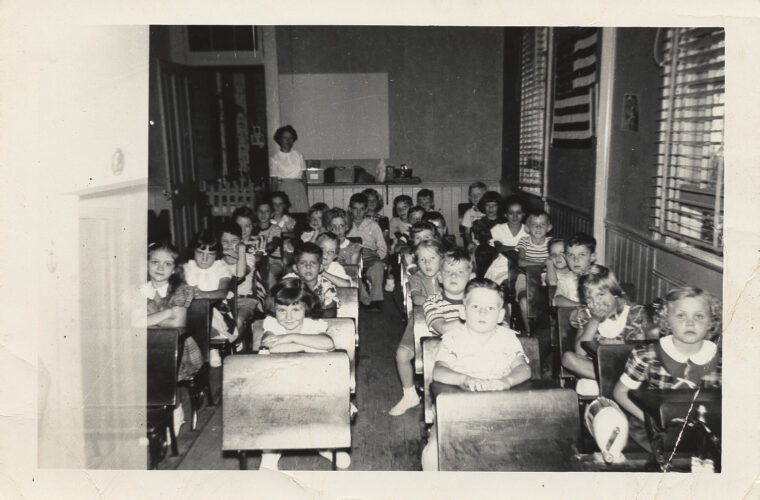
When I was growing up, second-hand clothes made up most of your wardrobe. Mind you, “wardrobe” is probably too grand a word. It was usually a drawer or two in a chest that had seen better days.
New clothes were rare enough to deserve a celebration. You got them for weddings, Christmas, if you were lucky; or perhaps a couple of T-shirts and a pair of shorts when the school holidays arrived. The rest of the year, you relied on the family recycling system. Older brothers, sisters and cousins wore clothes first, and if they managed not to put holes in them, they were passed down the line.
You almost knew what you’d be wearing next year just by looking at your older brother. “That’s a nice jumper,” you’d think. “I’ll be wearing that by November.”
There was enormous pressure on the current owner not to damage anything. If you tore the knees out of your trousers climbing a wall, you hadn’t just ruined your own trousers. You’d wrecked your younger brother’s future wardrobe as well. That was a crime of almost biblical proportions.
Then, as Baby Boomers, we grew up, got jobs and discovered a wonderful luxury. We could actually buy new clothes. No previous owner. No mysterious name stitched into the collar. No wondering why one sleeve was slightly longer than the other. We had made it.
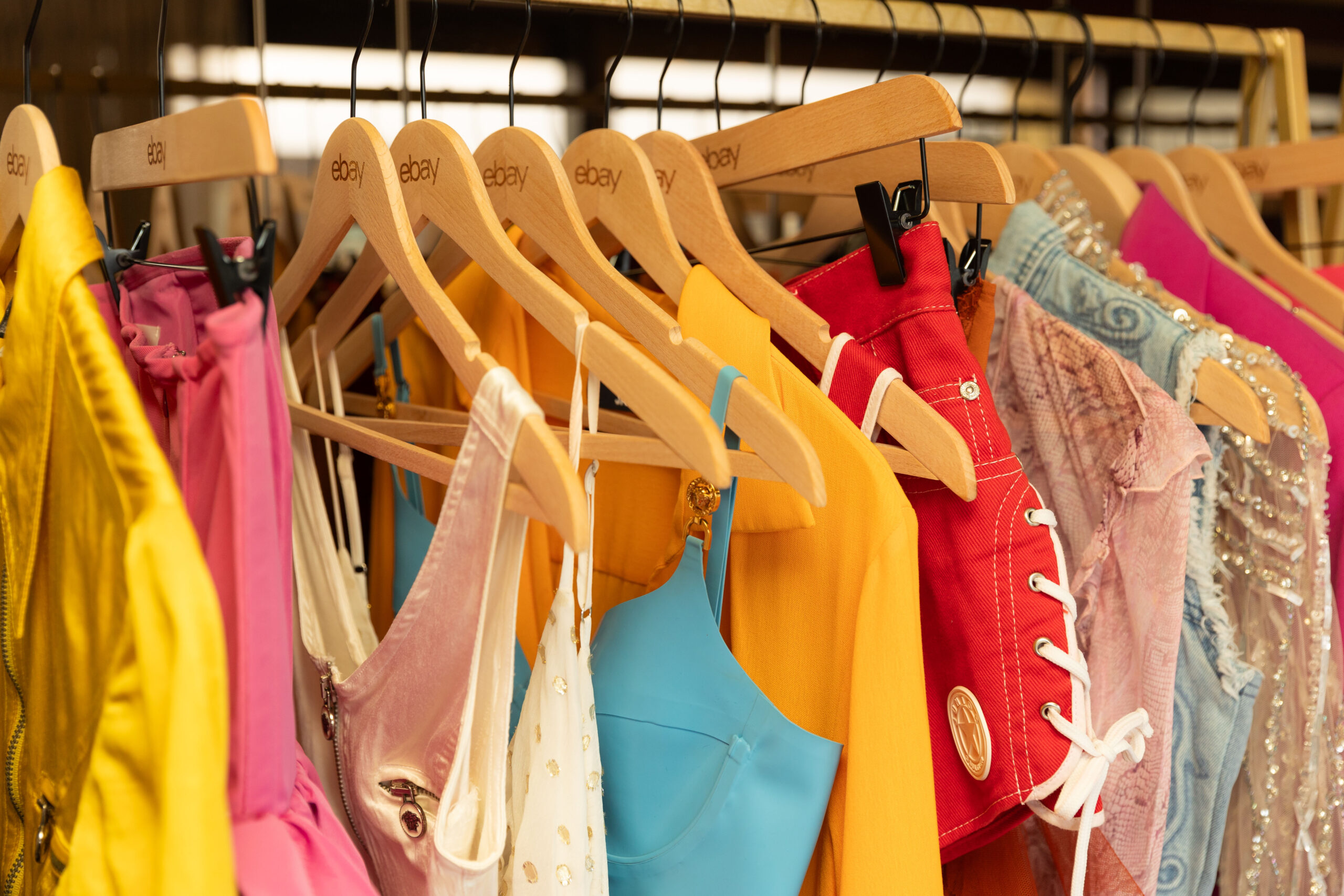
Fast forward to today, and second-hand clothes have become fashionable again. Only don’t call them second-hand. That’s far too blunt. They are now “pre-loved.”
“Pre-loved” is a fascinating phrase. If it was truly loved, why is someone getting rid of it? Sounds less like romance and more like a breakup.
People proudly announce that they’ve bought a designer jacket on Vinted or Marketplace for a fraction of its original price. “It cost €300 new,” they tell you with obvious delight.
“Yes,” you reply, “and it was fashionable when people still thought ponchos were a good idea.”
The same people who once wouldn’t have been seen dead wearing last year’s fashion now boast about finding clothes from five seasons ago. Apparently, it’s sustainable, environmentally friendly and gives you a warm glow of moral satisfaction.
Which is fair enough. Reusing clothes has to be better than throwing them away.
It just makes me smile that we’ve managed to reinvent the very thing our parents did because they couldn’t afford anything else.
They’ve given it better marketing.
We didn’t wear second-hand clothes because we wanted to save the planet.
We wore them because your cousin’s trousers still had two kids left in them.