Plastic bags in supermarkets have more or less disappeared, and rightly so, I suppose. But there is still a strange moment of shame if you ever have to ask for one.
You stand at the checkout and say, in a low voice, “Could I have a bag, please?”
The cashier doesn’t actually judge you, but you feel judged anyway. You feel as if the whole queue has gone quiet. Somewhere behind you, a woman with six reusable bags and a hemp purse is probably shaking her head.
So now, like everyone else, we have the bag of bags.
Ours lives in the boot of the car. Or the trunk, as the Americans call it, because they like to rename things just to keep us on our toes. This bag of bags is not a neat system. It is a collapsed heap of old supermarket loyalty. Tesco bags, Dunnes bags, Lidl bags, Aldi bags, bags from shops we hardly remember visiting. Some are strong enough to carry concrete blocks. Others would split if you put a loaf of bread in them too sharply.
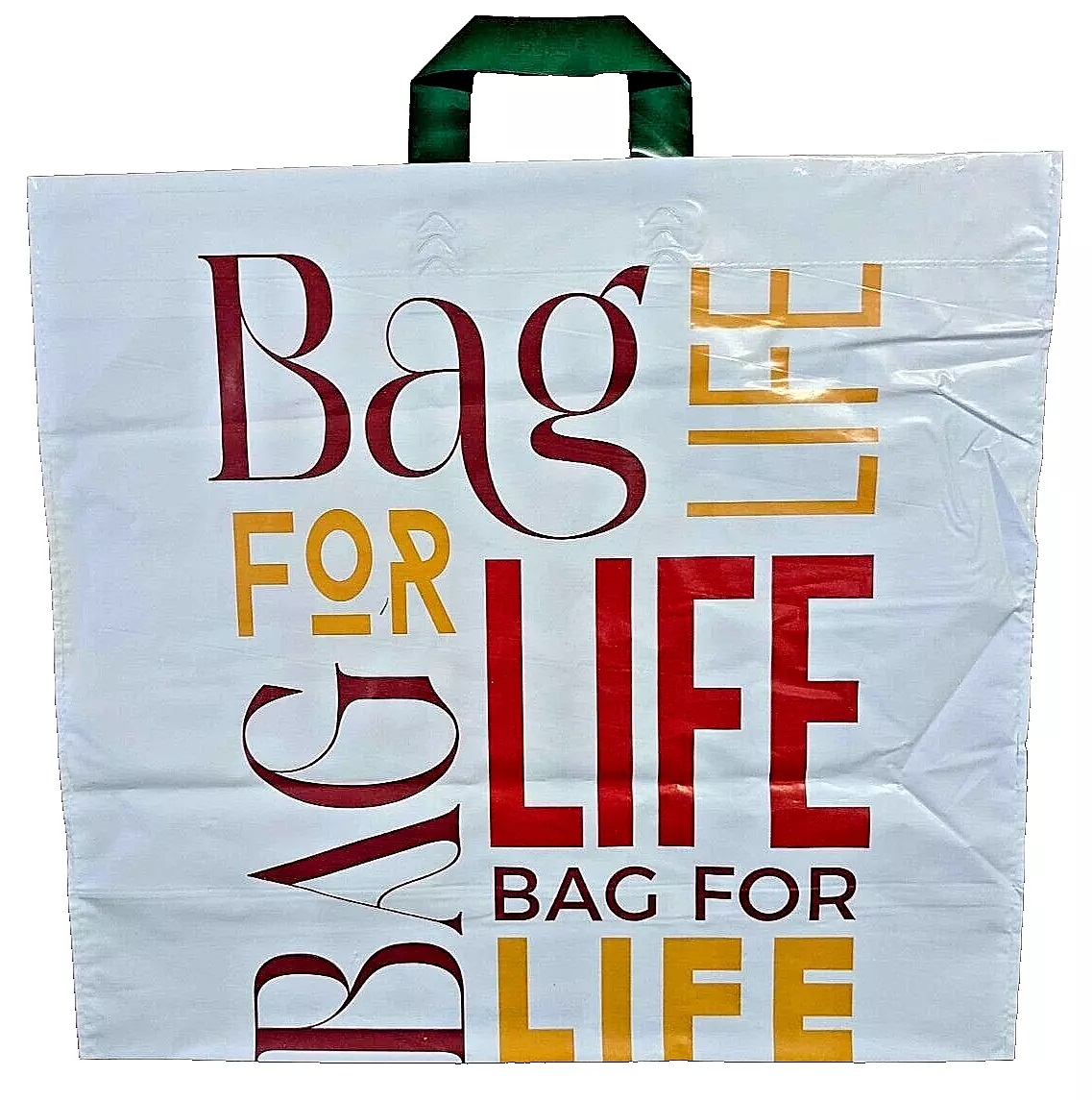
The great fraud, of course, was the “bag for life”.
That sounded impressive. A bag for life. A permanent companion. Something you might mention in your will.
But they don’t last for life. Not unless life is expected to last about eighteen months. First the lining starts to go. Then little white flakes appear on the shopping. Then a corner gives way. Then you notice the handle has stretched and the bag now drags along the ground like a tired spaniel.
At that point it is no longer trusted with milk, potatoes or anything in a glass jar. It is downgraded to crisps, toilet rolls and maybe a light cardigan.
Then you buy another one. Another bag for life. Another lifetime begins.
Before going into the supermarket now, there is always the boot inspection.
You open the boot and assess the situation like a man preparing for a military operation.
“Right. Big shop. Need two heavy-duty bags, one freezer bag, and maybe the M&S one.”
Because let’s be honest, bag snobbery exists.
There are times when you are going into a budget supermarket but you don’t want the world to think this is your natural habitat. So you bring a premium shop bag with you. You walk into Aldi with a Marks & Spencer bag, hoping it sends out the message that you are merely passing through.
No one is fooled.
Everyone knows exactly what is going on. Half the people in there are doing the same thing. A trolley full of own-brand cereal, discount mince and suspiciously cheap cheese, all being packed into a bag that says, “I have standards.”
The budget supermarkets did try to bring order to the chaos. They wanted us to put everything back into the trolley, wheel it over to the packing shelf by the window, and pack there in a calm and civilised manner.
This was never going to work in Ireland.
We are not calm and civilised at the checkout. We are competitive.
As soon as the cashier scans the first item, something comes over you. You start packing like your reputation depends on it. Milk, apples, chicken, biscuits, beans – all flying towards you at a speed that would test a trained athlete.
The cashier is not deliberately racing you, but it feels like they are. You find yourself trying to keep up just to earn their respect. You don’t want love. You don’t want friendship. You just want them to think, “This customer knows what he’s at.”
It is ridiculous, but there it is.
You pack too fast and all standards collapse. The bread ends up under the potatoes. The eggs are beside the bleach. The bananas are bent into positions nature never intended. A packet of ham disappears and is later found in the bag with the washing powder.
Still, you keep going. You cannot show weakness. There are people behind you.
Then there are the organised shoppers.
You know the type. They arrive with their bags already open in the trolley. Chilled items in one. Tins in another. Fruit and vegetables in another. Cleaning products kept safely apart, as if they are running a small supermarket logistics department.
You admire them, of course. But you also resent them.
They make the rest of us look like amateurs. Their shopping arrives home in the correct categories. Their bread is not flattened. Their eggs are not traumatised. Their freezer goods are still cold. They probably know where their car keys are too.
The rest of us get to the car and start repacking in the boot, pretending this was always the plan.
And the strange thing is, despite owning enough reusable bags to supply a small village, we still sometimes arrive at the supermarket with none.
Not one.
They are at home, naturally.
In the kitchen.
Stuffed inside another bag.