Do you remember when garages were actually for cars?
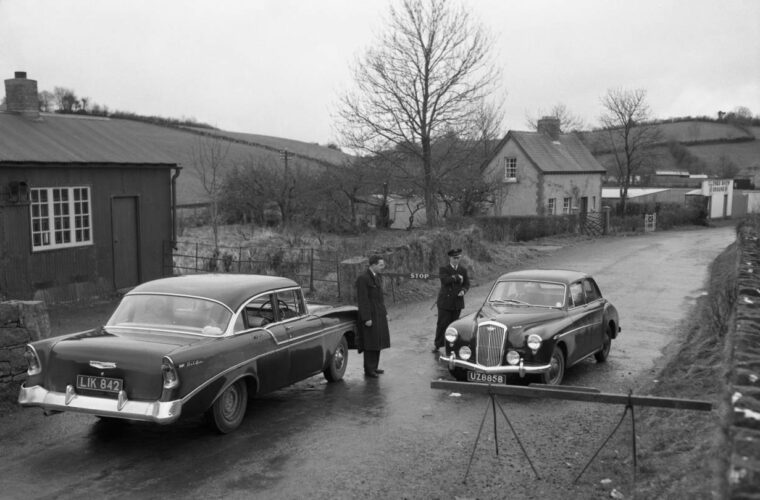
That was the whole point of them. You drove the car in, shut the door, and it sat there safe from rain, frost, and the rust that used to attack old cars with frightening enthusiasm. Cars in the 1970s seemed to dissolve before your eyes. If rust didn’t get them, the Irish weather would finish the job.
Nowadays, cars are built like tanks. They can survive endless rain, Atlantic storms and temperatures that would have terrified their ancestors. The only thing they still can’t defend themselves against is birds.
Birds have developed a particular interest in freshly washed cars. They can spot one from what feels like twenty miles away and strike with remarkable precision. A military drone operator would be proud of some of the accuracy on display.
As a result, the car sits outside while the garage serves a much more important purpose.
It stores things.
Not useful things. Just things.
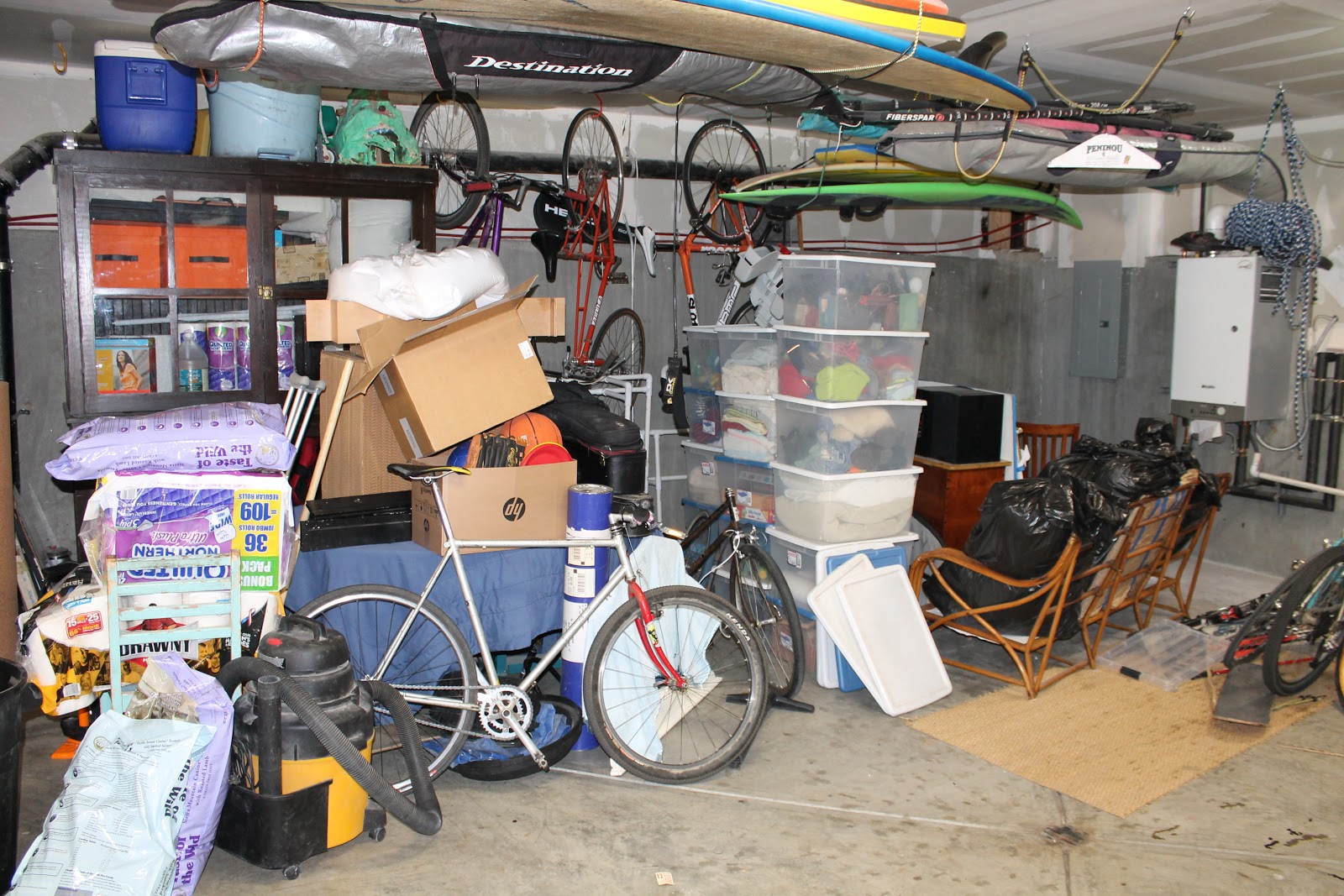
The garage is where household possessions go when nobody knows where else to put them.
There are garden tools, old paint tins, Christmas decorations, half a bag of cement from 2014 and boxes that have survived so many house clear-outs that they have acquired protected status.
Nobody knows what’s inside these boxes.
Nobody dares look.
Opening one is like an archaeological dig. You might uncover old photographs, a fax machine, three phone chargers that fit nothing you own, and instructions for an appliance that died during the Celtic Tiger years.
Then there is the box of screws.
Every garage has one.
Thousands of screws, nuts, bolts and washers gathered over decades.
Where did they come from?
Nobody knows.
What do they fit?
Nobody knows that either.
Can they be thrown away?
Absolutely not.
The second you dispose of them, some vital household repair will require exactly one rusty screw from the bottom of that box.
The same rule applies to bits of wood, odd brackets, lengths of cable, and mysterious pieces of metal.
“What is that for?” asks your wife or partner.
“I haven’t a clue.”
“Can we get rid of it?”
“No.”
“Why not?”
“It might come in handy.”
This is considered a complete and satisfactory explanation.
Every so often you announce that you’re going to sort the garage out properly.
You have a vision.
Shelving.
Storage bins.
Labels.
Everything neat and organised.
You might even be able to park a car in there again.
The dream lasts about twenty minutes.
Then you visit a neighbour whose garage is permanently open.
Everything is neatly arranged.
The tools hang on hooks.
The shelves are spotless.
The floor can actually be seen.
You stand there admiring it the way visitors admire a stately home.
“One day,” you tell yourself.
But deep down you know the truth.
Your garage isn’t a storage space.
It’s a historical archive.
A record of every DIY project, every gardening scheme and every item you were convinced would be useful someday.
And while you fully intend to tackle it eventually, there is one small problem.
You can’t start until you find the tape measure.
Which, unfortunately, is somewhere in the garage.