I was probably about eight or nine when I made one of the great discoveries of my childhood. Not gold. Not buried treasure. Not the secret of how adults always knew when you were lying.
It was a corner shop near my parents’ home on Stoney Stanton Road in Coventry.
I cannot remember what sort of shop it was supposed to be. It may have sold newspapers, paraffin, loose biscuits, mysterious tins, or the sort of household items no one ever admitted needing. In those days, corner shops sold everything.
But this one had something magical.
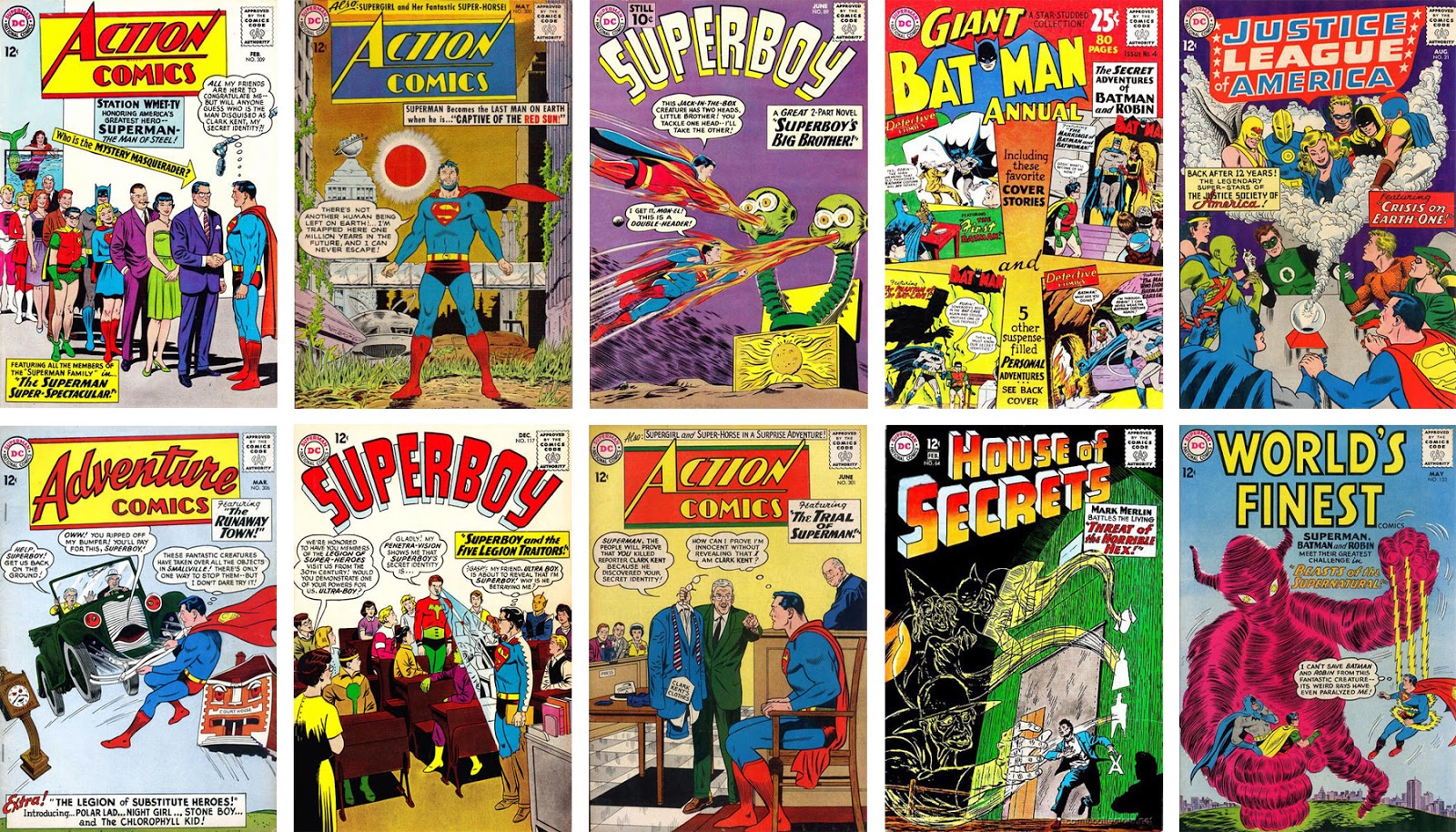
Second-hand American superhero comics.
They were not new. They had clearly crossed the Atlantic in some battered pile, survived several owners, and a damp cupboard. The covers were creased. Some pages were loose. Occasionally, a previous reader had improved the artwork with a pencil moustache or a speech bubble saying something deeply original like “Ha ha.”
To me, they were priceless.
Luckily, they cost about a penny or two, which was roughly the limit of my financial empire at the time. My income was not what you would call diversified. It depended largely on finding coins down the back of chairs, performing small household tasks under protest, and returning empty bottles to the off-licence to get the deposit back.
The comics featured Superman, Batman, Captain America, and Supergirl. I regret to say that, at the age of eight or nine, I did not have the advanced social awareness I possess today. Supergirl was considered only when there was nothing else left in the box. This was not a political position. It was just the stupidity of small boys, who believed girls were mainly put on earth to spoil football, tell teachers things, and sometimes run faster than you in a deeply unsettling way.
Superman was the best value. For a penny, you got a man who could fly, bend steel, see through walls, and still somehow people struggled to recognise him because he had put on a suit and a pair of glasses.
Batman was different. He had no powers, but he had a car, a cape, and unlimited confidence, which seemed to be enough.
Captain America was more puzzling. I knew America existed, but mainly as the place where cowboys, gangsters, and people with impossibly white teeth came from. Still, he had a shield and a sense of purpose, and at that age, you don’t ask too many questions.
I would take these comics home and devour them from cover to cover. The stories always ended properly. The hero won, the villain was defeated, and justice prevailed—long before stories felt obliged to explain that the bad guy was really a damaged, complex individual failed by society, parenting, and possibly the local education authority.
It was my first introduction to the great American idea that the world’s problems could be solved by a man in a tight-fitting suit and a cape. Looking back, it was a wonderfully optimistic view of global affairs. In Coventry, most problems were solved by your mother shouting from the kitchen.
I don’t remember when I stopped buying those comics. Childhood has no proper closing ceremony. You don’t wake up one morning and say, “That’s it. I am now too sophisticated for Batman.” Things just fade. Coins are spent on other things. Shops close. Comics disappear. You move on without noticing you have left something precious behind.
Years later, superhero films arrived with huge budgets, dramatic music, collapsing cities, and actors who appeared to have spent several years trapped in a gym. They were impressive, of course. But they were never quite as good as those old comics. No film studio, however rich, can compete with the imagination of a child lying on the floor in Coventry, turning fragile pages and believing completely in impossible things.
The television versions were another matter. Batman on TV was hilarious, although I’m not sure that was always the intention. Batman treated Robin less like a crime-fighting partner and more like a slightly dim nephew on work experience.
“Exactly, Robin,” Batman would say, with the solemn patience of a man teaching a slow nephew that crime-fighting required discipline, deduction, and absolutely no interrupting while Batman was being clever.
The villains were magnificent. They did not so much act as attempt to escape from the television set. Every villain looked as if they had dressed in the dark at a theatrical costume sale: painted face, exploding eyebrows, lurid suit, sinister grin, and at least one accessory too ridiculous to be taken seriously. You could tell who the villain was because they were the person enjoying themselves far too much.
Perhaps the lesson in all this is that children do not need expensive entertainment every minute of the day. Sometimes all they need is a dusty box of second-hand comics, a few pennies, and the freedom to imagine.
Give a child a superhero film, and they will watch it for two hours.
Give a child a battered old comic, and they may spend the rest of the afternoon saving the universe from the front room carpet.