We live in an age of takeaways, ready meals and things in plastic trays that claim to be “homemade,” despite having been assembled in a factory outside Monaghan by someone wearing a hairnet.
Still, some of us are trying to hold on to the ancient human skill of cooking. Our ancestors could take flour, milk, potatoes, a dead chicken and a suspicious-looking onion and feed twelve people without once consulting Google. We, on the other hand, stand in the kitchen asking Alexa how long it takes to boil an egg.
Our only guides are TV chefs, glossy cookbooks and online recipes written by people who describe peeling carrots as “a joyful seasonal ritual.”
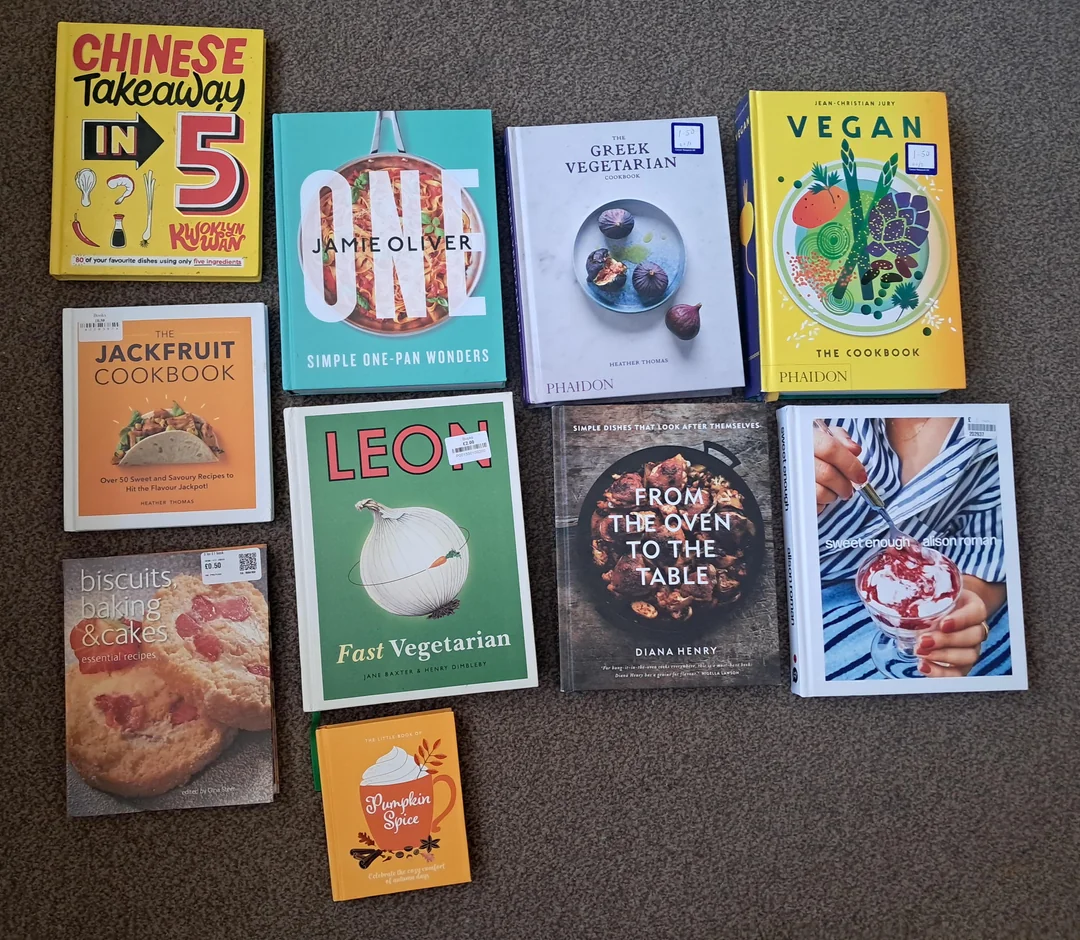
Cookbooks are a whole department in charity shops now. There they sit, barely opened, donated by people who once believed they were only one Jamie Oliver recipe away from greatness. The covers show rustic kitchens, shining copper pans and someone laughing while sprinkling herbs, as if life has never once involved scraping burnt cheese off a baking tray.
Inside, the recipes require ingredients available only in rural Tuscany or those upmarket supermarkets in the posher parts of England, where people say “supper” instead of “tea” and have a live-in chef called Marco.
You begin full of hope. The recipe says “preparation time: 20 minutes.” Two hours later, you are still chopping shallots to “a fine dice,” wondering why a dish for four people needs fourteen bowls, three pans and a small emotional breakdown.
Eventually, the meal appears. It is quite nice. Not exactly like the photograph, obviously. The photograph looks like it was styled by angels. Yours looks as if it survived a minor road accident. But it tastes good enough, and you quietly mark it down as something you might make again in a few years, when your strength returns.
Then there are TV chefs. They glide through cooking as if they were born holding a whisk. Everything is ready in little dishes. The onions are chopped. The garlic is crushed. The chicken is browned. The herbs have been picked, washed and arranged by someone just out of shot who has been up since 5am.
The chef chats away effortlessly while creating culinary genius with top-of-the-range cookware, a kitchen the size of an aircraft hangar and a chopping board that has never known fear.
At the end, they say the sacred words: “And here’s one I prepared earlier.”
Out it comes, golden and perfect, while the presenters gather around to taste it. Then comes the usual performance.
“Oh my goodness.”
“That is incredible.”
“That is the best thing I have ever tasted.”
Just once, wouldn’t you love someone to say, “It’s not bad, but my mother does a better one.”
The rest of us turn to the internet. We search for recipes the way desperate travellers search for water in a desert. The first thing we check is the difficulty rating. “Easy” is acceptable. “Moderate” depends on the mood. “Requires more effort” means abandon immediately unless you are retired, bored, and have a whole day to ruin.
The problem with online recipes is that you can’t actually get to the recipe. First, you must read 2,000 words about how the author discovered lentils during a life-changing weekend in Provence. Then come the adverts, pop-ups, newsletter invitations, cookie warnings and videos that start playing for no reason.
By the time you reach the ingredients, you have accidentally subscribed to something, accepted cookies from six continents and watched an advert for garden furniture.
The reviews are no help either.
“Five stars! I changed the chicken to tofu, left out the garlic, added pineapple, cooked it in an air fryer and my husband said it was the best lasagne he’d ever had.”
That is not a review. That is culinary crime.
After a few disasters, you learn an important lesson: never try a new recipe on guests. Always test it first on immediate family. They are less likely to leave, and in any case, they know where the cereal is kept.
Eventually, through courage, error and mild food poisoning, you build up a list of acceptable dishes. A pasta bake that works. A curry that doesn’t frighten people. A roast chicken you can produce without needing counselling afterwards. You become proud of yourself. You may never make MasterChef, but you can now feed people without the fire brigade becoming involved.
You also learn enough to know you should never open a café or restaurant. Cooking one nice meal at home is satisfying. Cooking forty breakfasts for strangers who want their eggs “not too runny but not too hard” is how people end up shouting at saucepans.
Still, every now and then, you put on a show for the family. You plan the menu. You shop carefully. You marinate things. You reduce sauces. You roast, stir, baste and season. You work for hours in the kitchen while pretending it was no trouble at all.
Then they arrive, smiling, relaxed and carrying the unmistakable smell of betrayal.
“Lovely,” they say, looking at the table. “But we’re not really hungry. We stopped at McDonald’s on the way.”
And that is when you understand why cookbooks end up in charity shops.