Of all the many irritations in modern life, few are as maddening as the supermarket checkout.
It should be simple. You put your stuff on the belt, the cashier scans it, you pay, you leave. In theory, it is one of the most straightforward parts of the week. In practice, it is a social experiment in patience, dignity and suppressed rage.
There is always one person in front of you who treats the checkout like a surprise. Their shopping has been scanned, the total has been read out, the bags are sitting there waiting, and only then do they begin the dramatic search for payment. First, the shopping bag. Then the handbag. Then the smaller handbag inside the handbag. Then a purse. Then a zip compartment that seems to contain old receipts, tissues, a pen with no ink, and other mysterious objects.
All the while they say, “I had a voucher there a minute ago.”
Meanwhile, we all stand there watching this treasure hunt unfold like an archaeological dig.
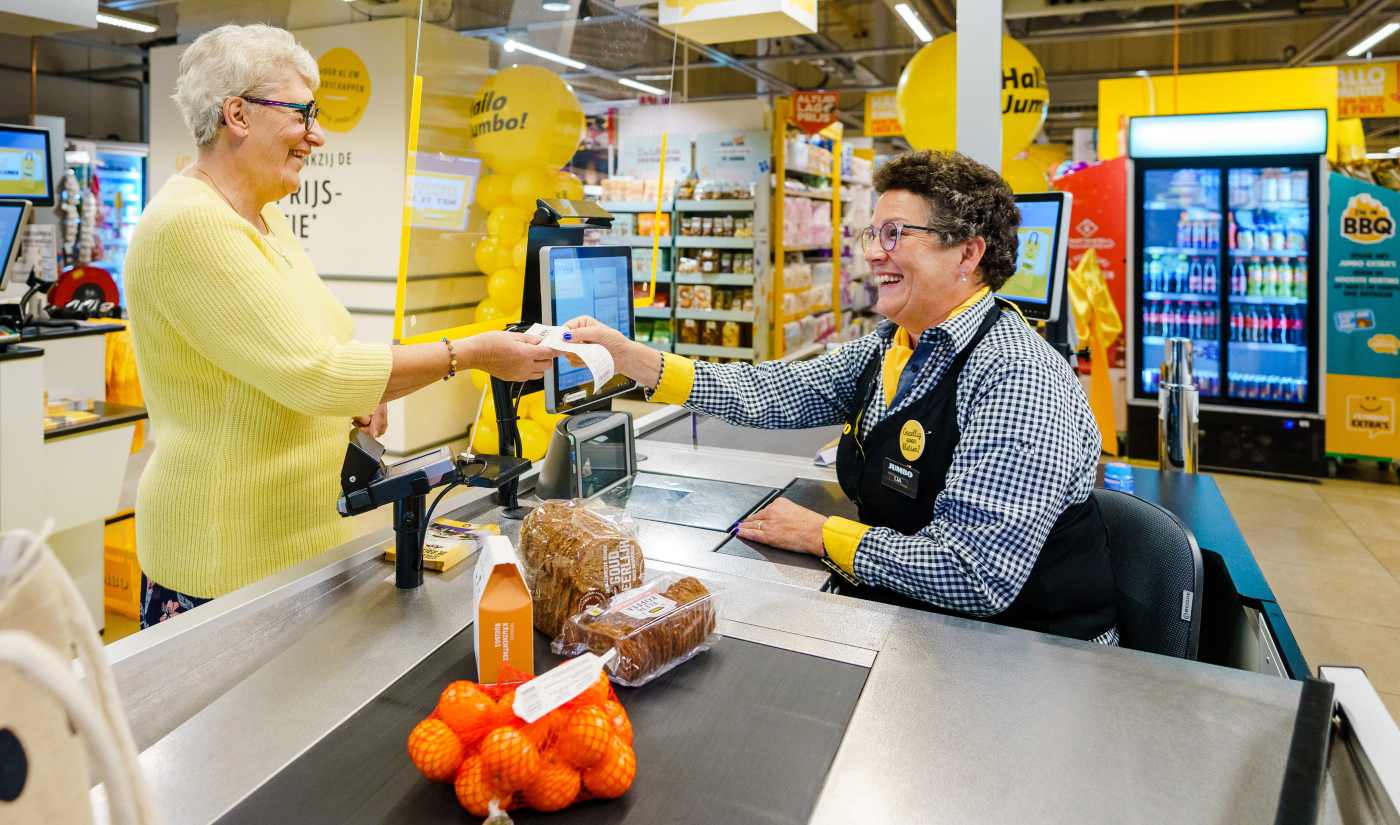
Behind the till, the checkout person says, “Take your time.”
Which, as everyone knows, is one of the great lies of the Irish supermarket worker.
They do not mean to take your time. They mean, please God, let this end before my shift does. They mean I would now like this transaction to move forward before I lose the will to live.
Then there is the chatting. Some people reach the checkout and decide it is the perfect moment for a catch-up. They chat to the cashier about the weather, somebody’s operation, the price of butter, and whether the town has gone fierce busy lately. Lovely people, no doubt. Warm, friendly and community minded. But not a single item has been packed.
The groceries are piling up at the end of the till at a dangerous rate. A melon is rolling toward the eggs. A loaf of bread is being slowly crushed beneath a four-pack of beans. The cashier is still scanning, still smiling, still trying to keep the whole thing moving, while the customer stands there mid-conversation as if packing is a task for another generation.
And then, only when every last item has been scanned, they begin. One bag opened. One item placed inside. A long pause. Another item. Another pause. It is less “packing groceries” and more “handling museum objects.”
But the supermarket’s greatest trick is not the delay. It is the deal.
The supermarket deal is a masterpiece of psychological nonsense. Spend more to save more. Buy things you never intended to buy so you can feel clever about getting money off. It is the retail version of being mugged.
You go in for milk, bread and maybe a few bits for dinner. Suddenly, you are standing in the middle of an aisle trying to work out whether buying a giant multipack of toilet rolls, two tins of beans and a biscuit box you do not want will somehow “save” you €8 next week.
And the worst part is, you fall for it. We all do.
Because once you are close to the spend target, your brain stops working properly. You start saying things like, “Sure I may as well throw in these fancy crackers, or I won’t get the discount.” As if the discount is some kind of moral reward for effort. As if buying extra rubbish, you didn’t need is an act of financial discipline.
Then comes the final insult.
You decide, in the spirit of efficiency, to buy six bottles of wine. This seems smart. Practical even. Surely this will help you hit the magic number needed for the discount. Wine is expensive. Wine is shopping. Wine is, in many cases, the only reason you are emotionally equipped to survive the supermarket at all.
But no.
The six bottles of wine do not count.
Of course they don’t.
Why would they count, when that would make sense?
So, there you are, after all the mental arithmetic and self-deception, discovering that the one thing that might actually have helped is excluded from the offer. The discount applies only to “selected qualifying items,” which is supermarket language for we made the rules, you didn’t read them, and now you are going home with too much stuff you didn’t want.
That is the checkout experience in all its glory. The delay. The vouchers. The chatting. The forced politeness. The fake bargains. The wine that betrays you.
The trouble is you’ll be back tomorrow.