Back in the day, taking a photograph was a serious financial decision.
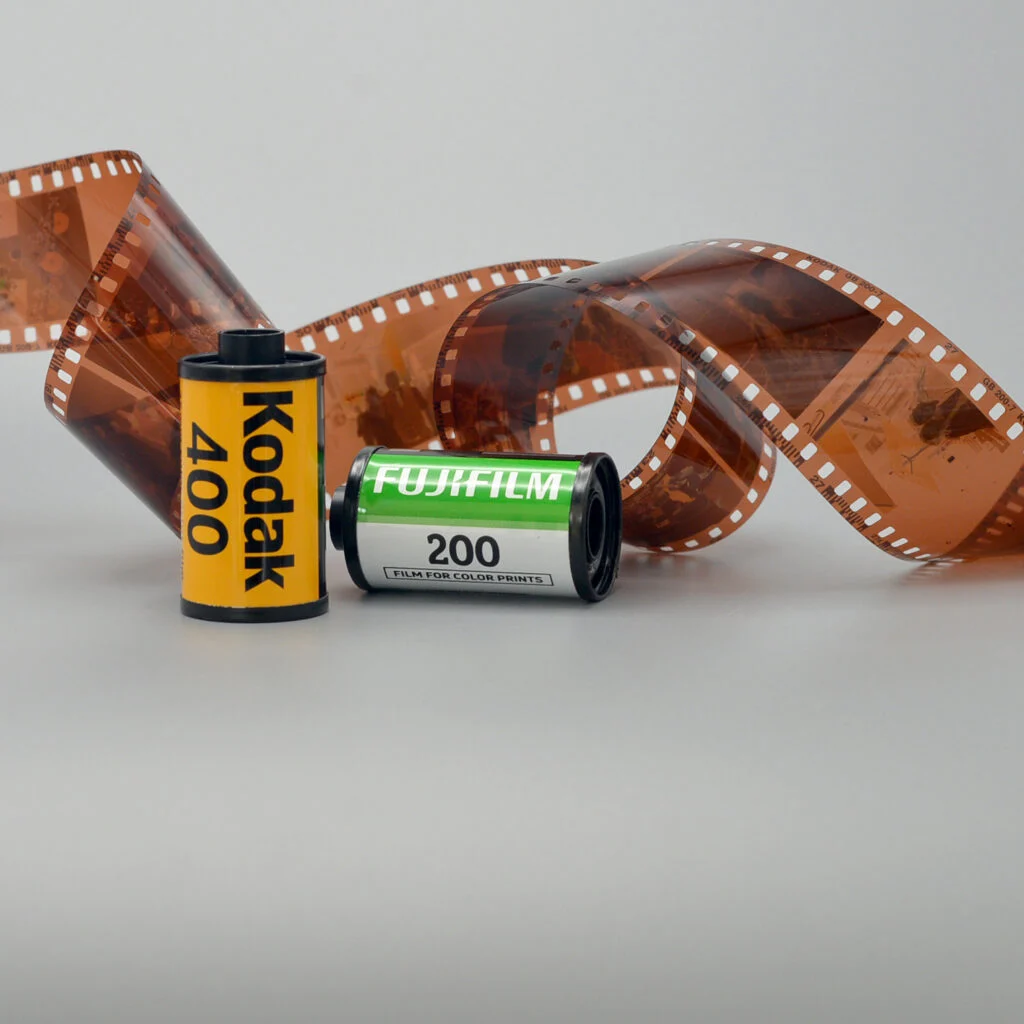
You didn’t just whip out a phone and take 47 pictures of a starter meal. You had a camera from the chemist, a roll of film with 24 exposures, and the grim knowledge that every click cost money.
Twenty-four photographs. That was your entire visual record of a holiday, a wedding, a birthday, and possibly a cow looking over a wall if your father got artistic.
There was no checking the photo afterwards. No “take another one, my eyes were closed.” Your eyes could be closed for all eternity as far as the camera was concerned. The moment had passed. History had spoken.
Family photographs were always taken in the garden, usually with everyone staring directly into the sun.
“Move in closer!”
“We’re already touching.”
“Closer!”
By the time the picture was taken, Granny was squinting, one child was crying, your father had chopped someone’s head off, and your uncle was standing at the edge of the frame looking like he’d wandered in from another family.
Then came the real excitement: waiting.
You brought the film to the chemist, or worse, you sent it away with great hope in an envelope to a photo processing firm, then you waited. Not minutes. Not hours. Weeks.
By the time the photographs came back, you had forgotten what was on the roll. Opening the packet was like historical research.
“Ah, look, that’s us in Bundoran.”
“No, that’s the dog.”
“Where’s your brother?”
“That’s him there.”
“The grey streak?”
“Yes. He was running.”
Out of 24 photographs, maybe three were usable. The rest were dark, blurry, crooked, off-centre, or featured your mother’s thumb looming over the scene like a weather front.
But nobody threw them away. That was the magic of it.
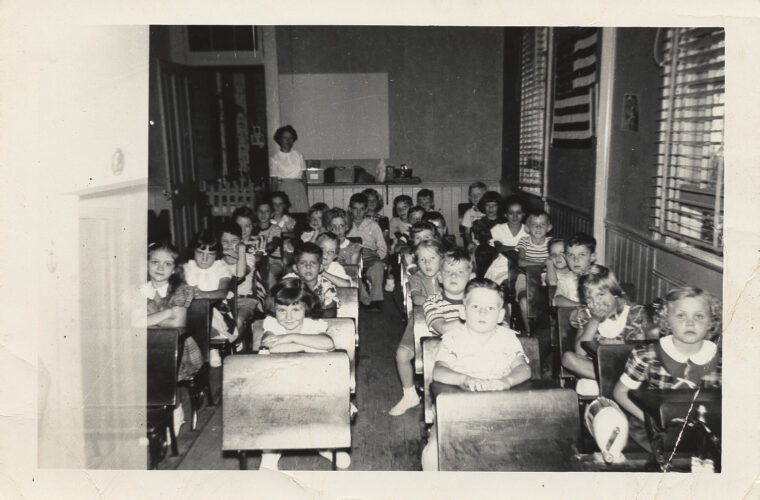
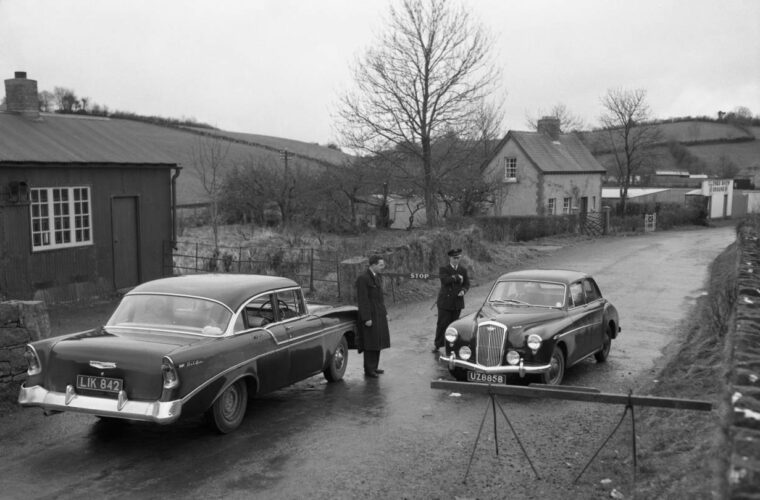
A terrible photo still counted. A blurred image of your father beside a Ford Cortina was not a failure; it was a family heirloom. A picture of your aunt with one eye closed, and a sausage roll halfway to her mouth, was not deleted. It went into the album and stayed there forever, under that crackly plastic sheet that eventually welded itself to the photo like it was protecting state secrets.
And we loved those albums.
You’d drag them out at Christmas, and everyone would gather round.
“Look at the state of me.”
“You had lovely hair then.”
“I had hair then.”
Every bad photo had a story. Every mistake had value. Even the accidental picture of the living-room carpet was kept because someone would say, “That was the old carpet before we got the brown one.”
Now, of course, we live in a golden age of photography, which mostly means nobody looks at photographs anymore.
Phones take amazing pictures. Sharp, bright, perfect. And yet most of them vanish into the digital swamp, somewhere between a screenshot of a parking app and a photo of the Wi-Fi code in a hotel bedroom.
We don’t take one photo now. We take a burst.
A child blows out birthday candles, and suddenly it’s like the Oscars red carpet.
“Do it again, love.”
“You can’t do it again. The candles are out.”
“Put them back on.”
The poor child is made to relive the moment three times because Daddy missed it, Mammy had the phone on video, and Granny recorded her own shoes for 18 seconds.
Then there’s food photography.
Nobody in 1979 would have paid to develop a photograph of a Panini. You’d have got the prints back from the chemist, and the man would have quietly asked if everything was all right at home.
Yet now Instagram is full of lunches posing for attention.
Here is my coffee. Here is my soup. Here is a burger photographed from above as if the Gardaí have found it at a crime scene.
And the selfies. Dear God, the selfies.
In the old days, if you wanted a picture of yourself, you had to hand the camera to someone else and accept whatever came back. You might be leaning, blurred, or missing from the waist down, but at least you had dignity.
Now people stand in public holding the phone above their heads, pouting into it like startled ducks. They take 19 shots, reject 18, filter the last one until they look like a waxwork of themselves, and then post it with the words: “Just me.”
It is not just you. It is you after half an hour of lighting, angles, cropping, and emotional fraud.
The strangest thing is that the old photographs were awful, but precious. The new ones are brilliant, but disposable.
We used to take pictures of important things: weddings, christenings, holidays, new cars, the Christmas table, and the one day in June when the sun came out and all of Ireland panicked into shorts.
Now we photograph everything.
A nice sky. A bad sky. A strange cloud. A pint. A receipt. A rash. A supermarket offer. A hotel corridor. A dashboard warning light. A dinner that has gone cold while everyone tries to capture its “journey.”
Our lives are now documented in forensic detail, but with very little evidence that anyone is actually enjoying themselves.
And where do these masterpieces go? Into the cloud. Which sounds lovely, as if our memories are floating gently above us with the angels but is really just a place where Apple keeps your photos hostage until you agree to pay another €2.99 a month.
Maybe that’s why the old photos mattered more. They were few. They were flawed. They had to be waited for. They came back in an envelope, and you held them in your hand.
Now we have 14,000 photographs on a phone and still can’t find the one we want.
“Have you that lovely picture of Dad?”
“I do. Hang on.”
Twenty minutes later, you’re looking at six screenshots of Ryanair boarding passes, two pictures of a boiler serial number, and 73 nearly identical shots of the dog asleep.
One day, our grandchildren will inherit all this digital treasure.
They won’t find a neat album marked “Summer 1984.”
They’ll find 9,000 unsorted images, including a blurry thumb, a Tesco receipt, a close-up of a strange mole, and Grandad reflected in the microwave door, taking a picture of soup.
And they’ll say, with genuine emotion:
“Delete all.”